Our Programs
Active programs, running now, with real partners.
UXU operates three flagship programs. Each one applies technology education to a different scale of impact: a local economy, an individual's skills, and the wider professional community.
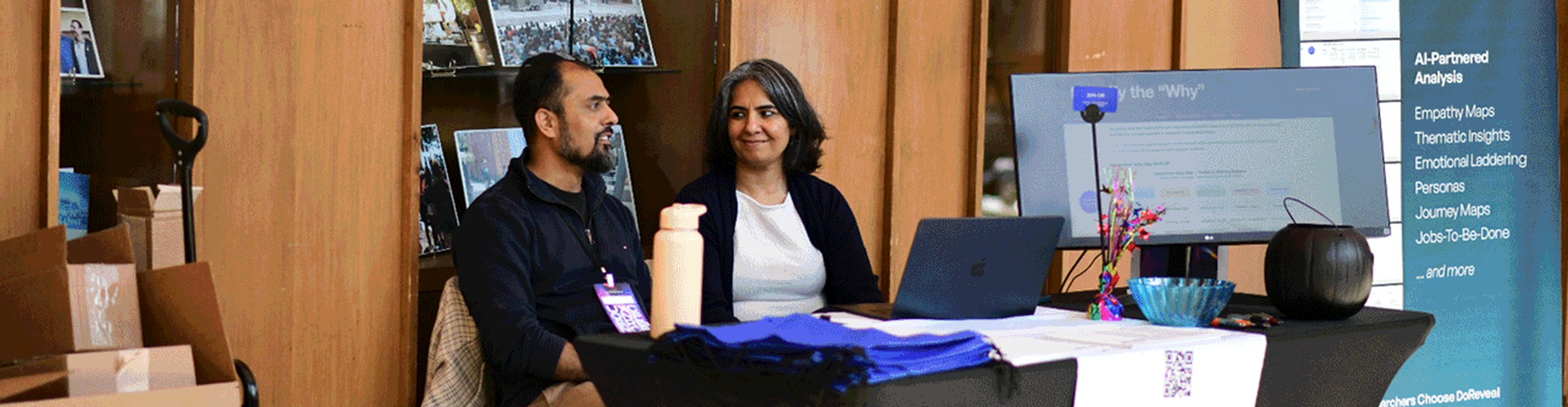
Annual conference
UXCON
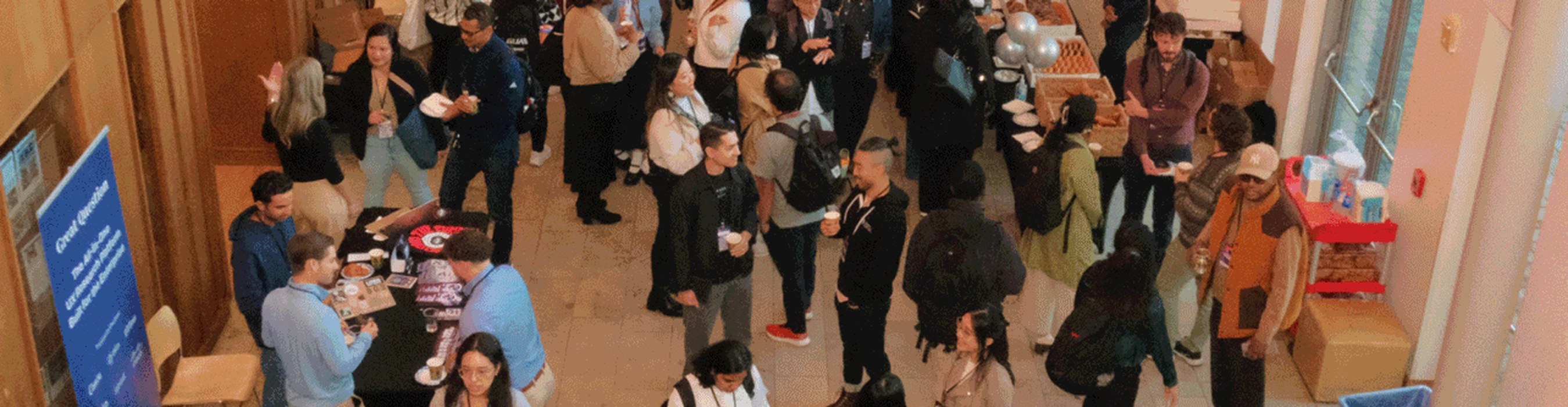
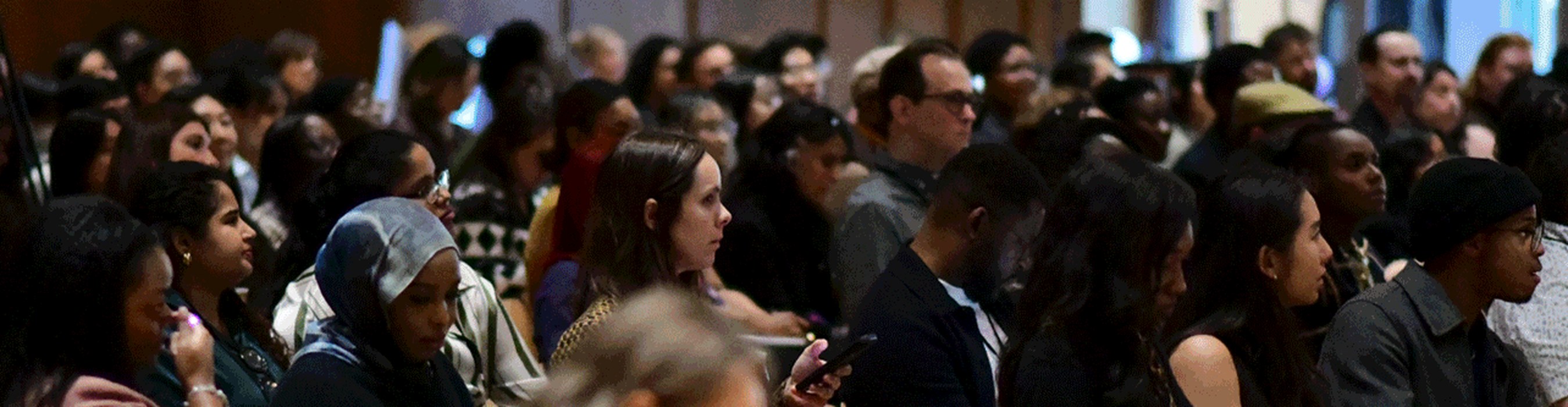
UXU's flagship annual conference connecting technology professionals, researchers, designers, product leaders, educators, students, nonprofits, and businesses to learn, collaborate, and build community.
Overview
UXCON is a single-track, one-day gathering combining talks, working sessions, and open community time. It is intentionally regional and intentionally affordable: the goal is for a student, a nonprofit staffer, and a principal designer to end up in the same conversation.
Conference mission
- Make high-quality professional learning accessible outside major tech hubs.
- Connect practitioners to the community organizations that need their skills.
- Give students and early-career attendees direct access to working professionals.
- Fund and sustain UXU's year-round free educational programming.
Who attends
- UX, product, and research practitioners at every career stage.
- Educators and students from regional schools and universities.
- Nonprofit and small business leaders exploring digital capacity.
- Engineers, founders, and civic staff working alongside design teams.
UXCON is one of UXU's programs — it supports the mission, it is not the mission.

Community initiative
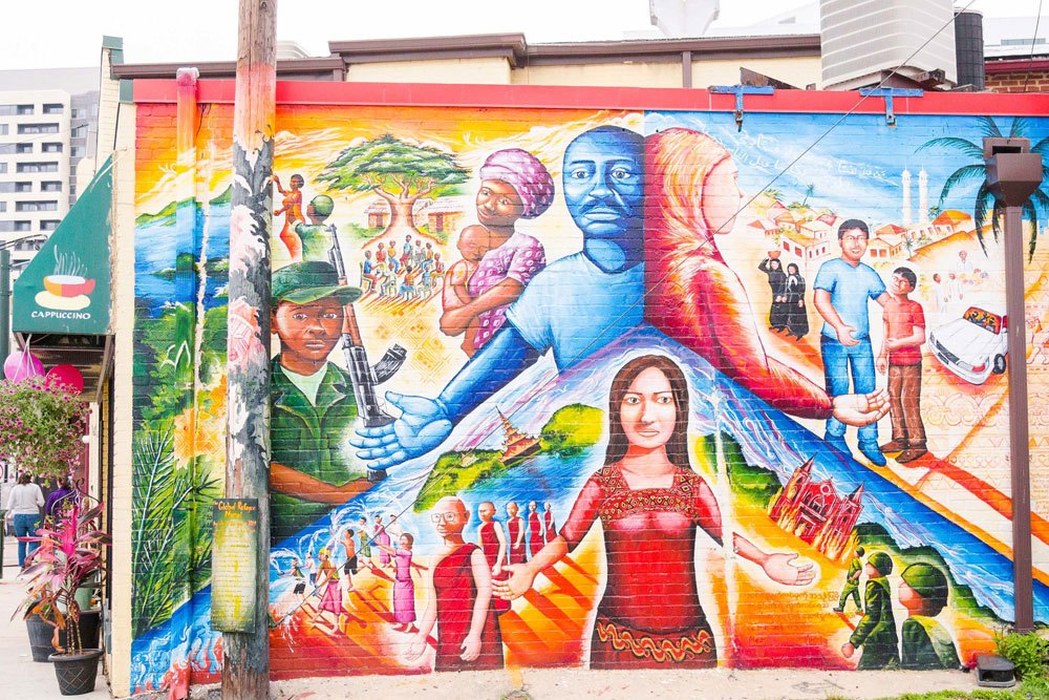
Fenton Village Project
A community development initiative using technology, research, design, and collaboration to strengthen local businesses, improve public spaces, and support long-term economic growth.
Mission
Give a small downtown the kind of research and design support that is normally reserved for large organizations, and train the next generation of practitioners while doing it.
Goals
- Help independent businesses establish clear, usable digital presences.
- Gather firsthand research about how residents and visitors actually use the village.
- Turn that research into concrete recommendations local decision-makers can act on.
- Create supervised, real-world project experience for students and early-career practitioners.
Community impact
Participating businesses receive usability reviews, customer research summaries, and practical digital improvements at no cost. Findings are shared with the wider business community so improvements do not stop at a single storefront.
Current initiatives
- Storefront digital audits: reviewing websites, listings, and booking flows for local businesses.
- Wayfinding and public-space study: observing how people move through and gather in the village.
- Small business office hours: recurring sessions where owners can bring a specific digital problem.
- Student project cohort: supervised teams delivering one scoped improvement per term.
Education
UX Workshops
Hands-on educational workshops covering technology, AI, UX, research, product thinking, and practical digital skills.
Overview
Workshops run as short, focused sessions — typically two to three hours — built around an exercise rather than a slide deck. They are open to students, career changers, working professionals, and staff at small organizations. Sessions are free or low-cost, and no prior technical background is required unless stated.
Learning philosophy
- Do the thing in the room: every session produces something you made yourself.
- Teach the reasoning, not just the tool — tools change, judgment carries over.
- Small groups so facilitators can give direct feedback on your work.
- Plain language first; jargon only after the idea makes sense.
Workshop topics
- Foundations of user experience: what UX is and how to apply it without a design degree.
- Practical user research: recruiting, interviewing, and turning notes into decisions.
- AI literacy for everyday work: what current tools do well, where they fail, and how to check them.
- Product thinking for nonprofits and small businesses: scoping work you can actually finish.
- Usability testing on a budget: five participants, one afternoon, real findings.
- Portfolio and case study clinic: turning project work into something you can show an employer.