
The Hardest Stage in a UX Career
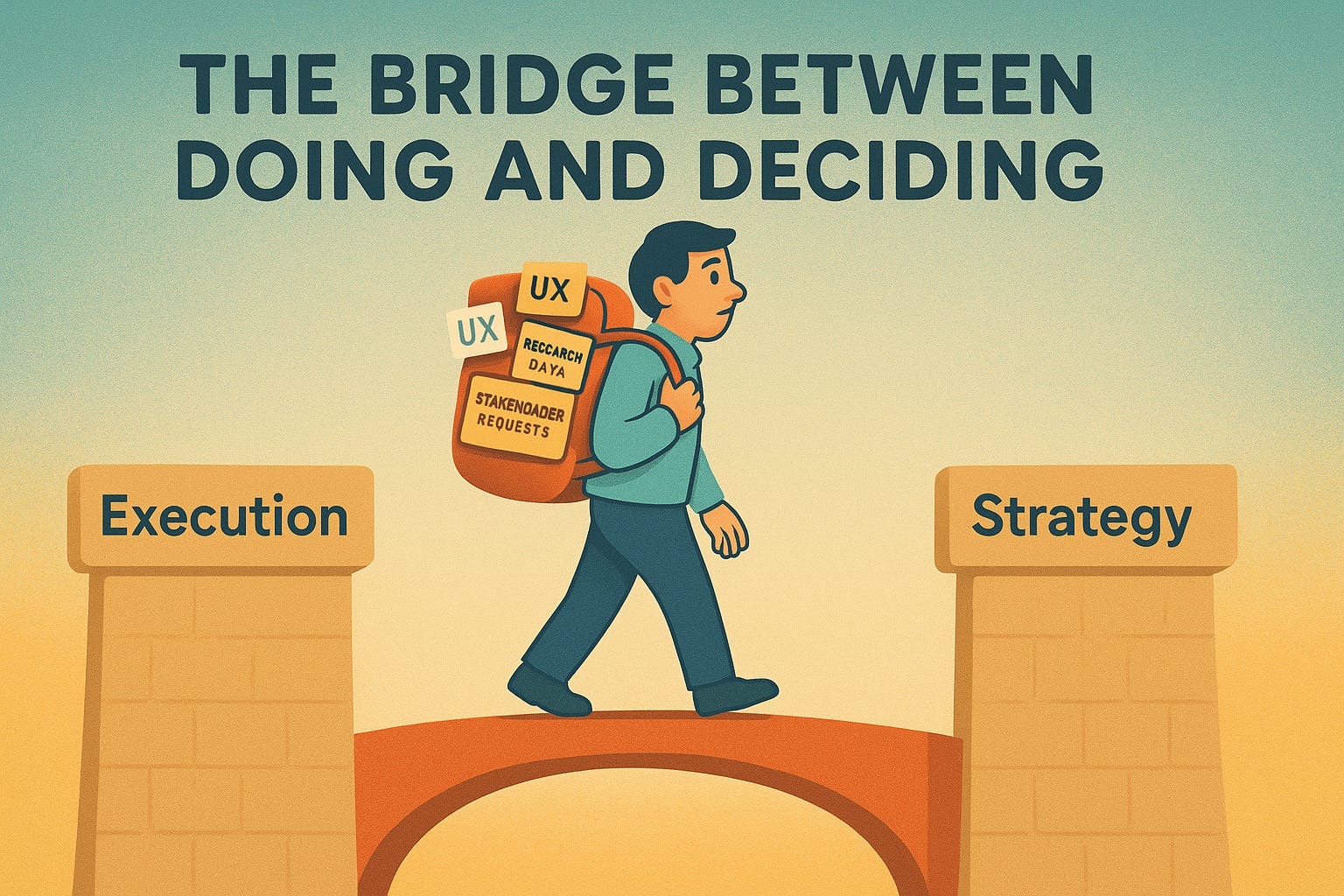
Too experienced to just execute, Not senior enough to decide.


Every UX professional eventually hits that stage.
You know what to do, how to do it, and if you’re honest, why it should be done differently.
But you’re still the one waiting for approvals.
Still the one mentoring juniors while trying to prove you’re ready for strategy.
Still in that middle zone where your growth feels invisible.
This is the mid-level paradox: you’re skilled enough to see the bigger picture but still expected to stay “in your lane.”
In This Issue
The Mid-Level Paradox
Why This Stage Feels So Hard
Hidden Wins You’re Not Seeing Yet
How to Turn Frustration into Momentum
Resource Corner
The Mid-Level Paradox
Early in your career, your challenge was learning how to do the work.
At the senior level, it’ll be learning what to prioritize.
Right now, you’re doing both without full authority.
You’re expected to execute flawlessly, think strategically, communicate clearly, mentor others, and still make every project deadline.
That’s not a lack of clarity.
That’s what growth looks like when you’re between two altitudes.
Why This Stage Feels So Hard
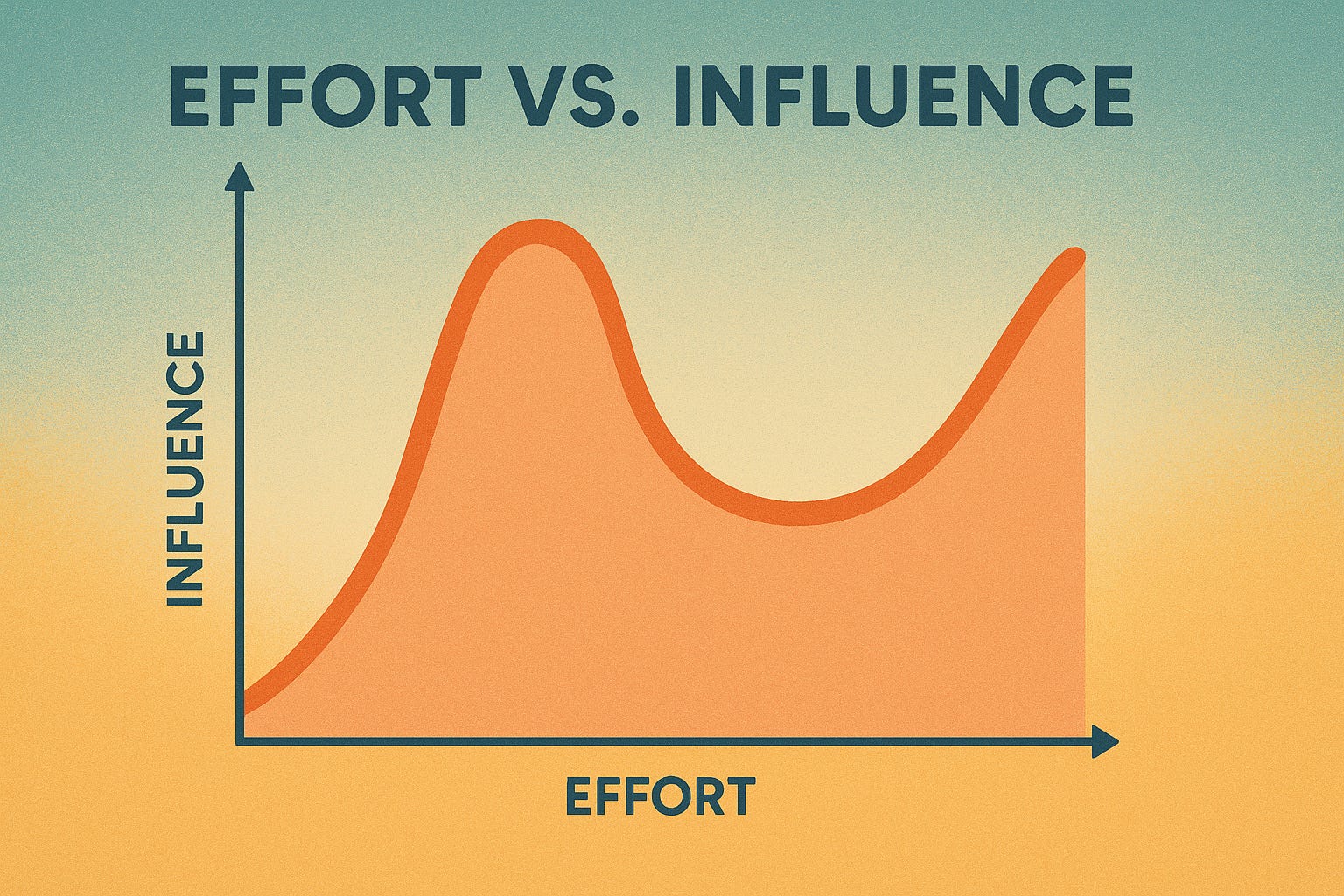
Because it’s the first time in your career where skill alone isn’t enough.
You’ve mastered tools and processes, but now your success depends on influence, trust, and timing.
You can’t “Figma” your way out of organizational friction.
You have to learn how to frame your ideas, how to speak in outcomes, and how to lead without being “the lead.”
It’s uncomfortable. It’s slow. It’s real.
And it’s where almost every future design leader is forged.
Hidden Wins You’re Not Seeing Yet
You might feel stuck, but you’re actually gaining three invisible assets:
Strategic instinct.
You’re starting to see patterns across projects and people.
That’s not frustration, it’s foresight.Mentorship credibility.
The guidance you give juniors now builds leadership equity later.
People follow those who’ve helped them grow.Cross-functional awareness.
You’re learning how product, design, and business intersect.
That’s the foundation of real influence.
These don’t show up on performance reviews—but they’re the currency of the next stage.
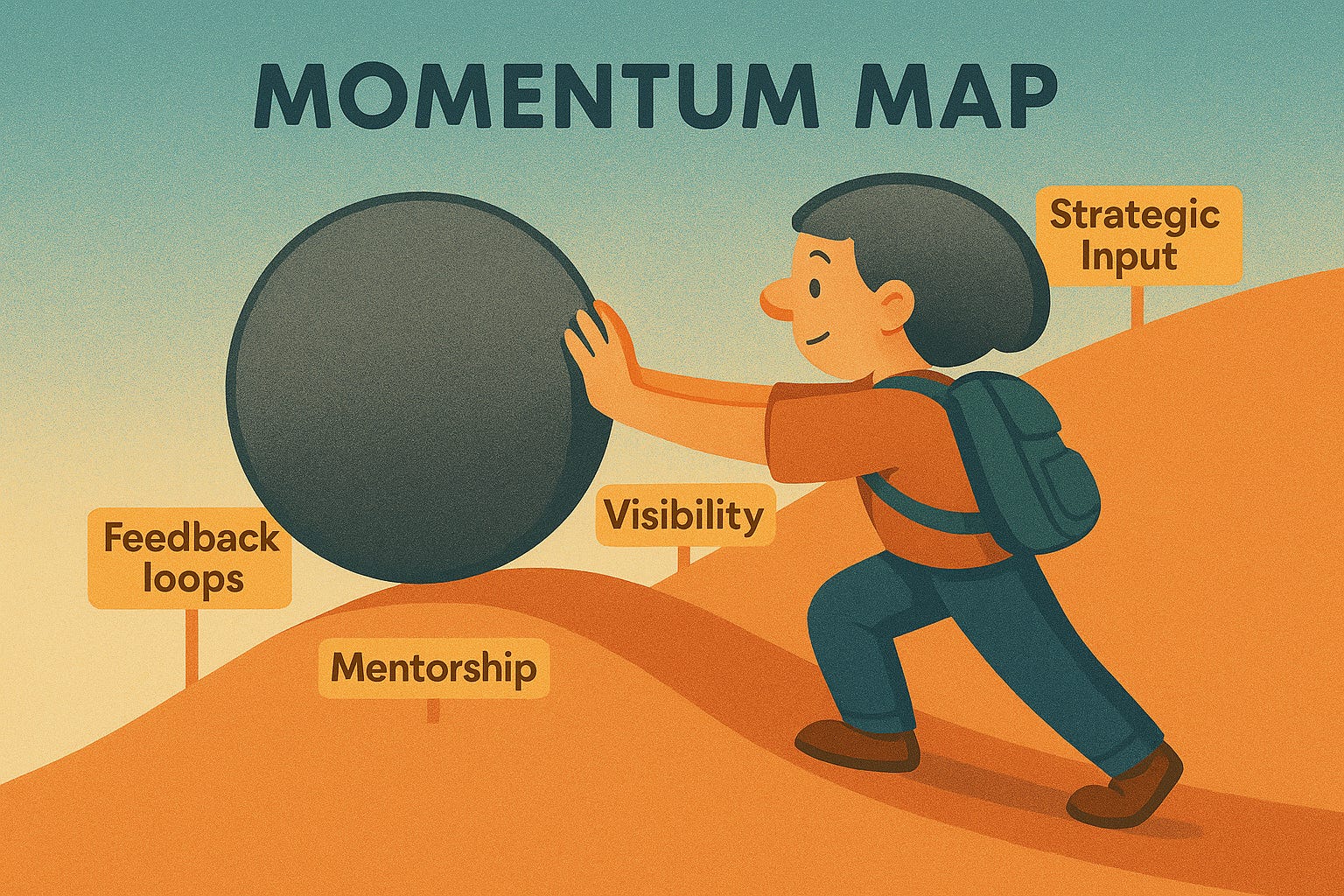
How to Turn Frustration into Momentum
Narrate your impact. Don’t wait for someone else to frame your value.
Keep a log of measurable outcomes and how your input shaped them.Ask for context, not control.
When you can’t make the final call, ask why the decision was made. Understanding intent sharpens your strategic thinking.Teach one thing a month.
Turn mentorship into muscle memory—it’ll make you a stronger communicator and leader.Find allies outside your team.
Mid-level influence grows through relationships, not hierarchy.
App of the Month: Survival Budget
Because sometimes you just want to know you’ll be okay.
Not every month needs a spreadsheet.
Sometimes, you just want to check if the numbers add up… if rent, food, and life’s basics are covered - without spiraling into guilt or graphs.

That’s what Survival Budget does.
It’s a calm, color-coded snapshot of your month, showing what’s covered, what’s flexible, and what can wait. Built by Janiré Castillo of Articulate Digital, it’s budgeting reimagined as reassurance, not routine.
Resource Corner

Final Thought
If you’re in the middle, you’re not lost.
You’re in the transition zone, the hardest part of the climb where the air gets thin but the view starts to open up.
Every UX leader you admire has stood exactly where you are now: frustrated, ambitious, and still showing up.
Stay there a little longer. You’re building the skills that titles can’t define.