
Different Routes into UX
😱 What You Should Know Before Choosing Your UX Path


You've decided to switch careers, and now the universe of UX awaits your exploration. Regardless of your skills, experience level, or career aspirations, the UX galaxy is rich with various career paths for you to explore and conquer.
But let's be real – the options out there can feel overwhelming. Questions might pop up: What sets a UX Designer apart from a Product Designer? Is Content Design something you should consider, given its focus on user flows and interfaces? And UX Engineers – are they designers, developers, or a mix of both?
Today, we delve into some top UX career paths you can venture into, each with its own set of skills and responsibilities. This compass will help you navigate through the diverse roles in UX, unravel the mysteries, and guide you toward your ideal career path. Ready for the adventure? Let's go!
Embarking on Your UX Journey: Different Routes into UX

1. UX Designer: Crafting Seamless Experiences
As a UX Designer, your primary focus is on creating interfaces that provide an optimal user experience. It's about understanding user needs, behaviors, and preferences to design products that are not just functional but delightful to use. You'll be involved in wireframing, prototyping, and collaborating closely with cross-functional teams.
Skills and Tools:
Wireframing and Prototyping tools (e.g., Figma, Sketch)
User research techniques
Understanding of Information Architecture
Why Consider This? If you're passionate about crafting digital experiences that seamlessly align with user expectations, enjoy problem-solving through design thinking, and have a keen eye for user interfaces, a role as a UX Designer might be your ideal path.
2. Product Designer: Bridging Functionality and Aesthetics
Product Designers take a holistic approach, ensuring the final product aligns with both user needs and business goals. This role often involves collaboration with various teams, including engineering and marketing. You'll be shaping the entire product experience, from the initial concept to the final visual design.
Skills and Tools:
User-Centered Design (UCD) principles
Visual design skills
Collaboration and communication skills
Why Consider This? If you enjoy blending creativity with functionality, have a knack for visual design, and find satisfaction in seeing a product come to life, then a career as a Product Designer might be the perfect fit for you.
3. Content Designer: Crafting Clear and Engaging Messaging
Content Designers focus on the words, ensuring that every piece of text enhances the user experience. This includes everything from microcopy within buttons to comprehensive product narratives. A Content Designer needs to understand the user journey and create content that guides users seamlessly.
Skills and Tools:
Copywriting skills
User empathy
Collaboration with UX/UI Designers
Why Consider This? If you have a way with words, love simplifying complex information, and are passionate about guiding users through a seamless journey with engaging content, a role as a Content Designer might be your calling.
4. UX Researcher: Unveiling User Insights
If you're passionate about understanding user behavior and making data-driven decisions, becoming a UX Researcher might be the path for you. This role involves conducting user interviews, surveys, and analyzing data to provide valuable insights that inform design decisions.
Skills and Tools:
Research methodologies
Data analysis skills
Empathy and communication skills
Why Consider This? If you find joy in unraveling the mysteries of user behavior, have a curiosity-driven mindset, and enjoy drawing insights from data to inform design decisions, a role as a UX Researcher offers the opportunity to be the voice of the user throughout the design process.
5. UX Engineer: Bridging Design and Development
For those who enjoy both design and development, the role of a UX Engineer might be enticing. This position involves implementing and refining the design using coding skills. It requires collaboration with both designers and developers to ensure a seamless transition from design to the final product.
Skills and Tools:
Front-end development skills (HTML, CSS, JavaScript)
Collaboration with design and development teams
Attention to detail
Why Consider This? If you're excited about bringing design concepts to life through coding, enjoy working at the intersection of design and development, and want to ensure the fidelity of the user experience from concept to implementation, a role as a UX Engineer might be your perfect match.
6. Information Architect: Structuring Seamless Navigation
As an Information Architect, your focus is on organizing and structuring information within a digital product to ensure intuitive navigation. This involves creating sitemaps, defining taxonomies, and establishing the overall structure that guides users through a seamless journey. Information Architects play a pivotal role in shaping the backbone of a user interface.
Skills and Tools:
Information organization and categorization
Experience with wireframing tools
Collaboration with UX/UI Designers and Content Designers
Why Consider This? If you enjoy mapping out the logic behind user interactions, have a keen eye for organization, and find satisfaction in creating clear, structured pathways for users, Information Architecture might be the perfect fit for you.
Exciting News:
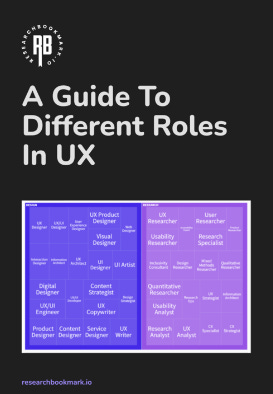
To highlight the rest of the roles and to help you delve even deeper into each role mentioned above, we'll soon be unveiling a comprehensive guide that defines each role in picture 1.0 in greater detail. This guide will provide insights into the day-to-day responsibilities, required skills, and potential career paths. Stay tuned…..
Finding Your Niche in UX: A Personal Exploration
The diverse roles in UX, offer a rich landscape for exploration. Whether you find joy in crafting pixel-perfect interfaces, decoding user behavior through research, shaping compelling content, or structuring seamless navigation, there's a niche for every passion.
Key Advice:
Experiment with various aspects of UX to discover your strengths and interests.
Build a versatile skill set, as interdisciplinary collaboration is often a cornerstone of successful UX projects.
Stay curious and open to evolving roles within the dynamic field of User Experience.
As you navigate these diverse paths, you'll find your rhythm and contribute to shaping the future of user-centric design.
Best regards,
The RB Team
Excellent summary.